Learning a new language is one of the most powerful skills you can develop in today’s global world. It improves career opportunities, helps you connect with new cultures, and opens doors for travel, business, and personal growth.
Whether you want to learn Italian, French, Mandarin, Khmer, or any other language, the challenge is always the same:
What is the most effective way to learn a language in 2026?
This guide explains proven methods, language-specific tips, and structured learning paths to help you succeed faster.
Why Learning a Language is So Valuable
Language skills are no longer optional—they are a major advantage in the modern world.
- Better job opportunities in international companies
- Stronger career prospects in tourism, business, and education
- Easier travel and communication
- Access to global education and media
- Higher confidence in professional environments
The Truth About Learning Any Language
There is no “easy” or “hard” language—only the right method.
Success depends on:
- Daily consistency
- Speaking from day one
- Listening exposure
- Structured learning system
- Real-life practice
Best Way to Learn Any Language (2026 Method)
No matter the language, this system works:
1. Learn practical vocabulary first
Focus on real-life communication, not memorizing rare words.
2. Train listening daily
Your brain needs constant exposure to natural speech.
3. Start speaking immediately
Even simple sentences build confidence quickly.
4. Follow a structured course
Avoid random learning—structure creates progress.
5. Get feedback
Correction prevents long-term mistakes.
Language-Specific Guides
Each language has its own learning style. Here’s how to approach the most popular ones:
🇮🇹 Italian
Italian is expressive, musical, and relatively easy to pronounce.
- Focus on pronunciation early
- Learn common everyday phrases
- Practice speaking out loud daily
- Watch Italian videos for natural rhythm
French is widely spoken across Europe, Africa, and Canada.
Tips:
- Pay attention to silent letters
- Practice listening daily
- Learn conversational phrases first
- Don’t over-focus on grammar early
🇨🇳 Mandarin Chinese
Mandarin is one of the most important global business languages.
Challenges:
- Tones
- Characters (writing system)
- Focus on listening and pronunciation first
- Practice tones daily
- Learn characters step-by-step
- Use repetition-based learning
🇰🇭 Khmer
Khmer is essential for living and working in Cambodia.
Tips:
- Start with daily conversation phrases
- Practice with locals whenever possible
- Focus on listening and pronunciation
- Learn practical, real-life vocabulary
Corporate Language Training (Business Solutions)
Language skills are not only important for individuals—they are also a powerful business investment in Cambodia.
Many companies in Cambodia and internationally are now investing in Corporate Language Training to improve communication, productivity, and international collaboration.
Why companies invest in language training:
- Improve communication with international clients
- Increase employee confidence in English or other languages
- Support expansion into global markets
- Strengthen customer service quality
- Reduce communication errors in business operations
Corporate training options include:
- Group training sessions for employees
- Customized learning programs per department
- Flexible online or onsite training
- Progress tracking and reporting
- Industry-specific vocabulary training (business, tourism, hospitality, etc.)
Tailored corporate programs at Lingua Learn Cambodia help businesses build stronger communication teams with practical, results-focused training.
How Long Does It Take to Learn a Language?
- Basic communication: 2–3 months
- Conversational level: 3–6 months
- Confident speaking: 6–12 months
- Advanced fluency: 1–2 years
Consistency is the key factor.
Online Learning vs Traditional Classroom Learning

Both methods can work, but they have different strengths.
Traditional classroom learning:
- Fixed schedule
- Group learning environment
- Limited speaking time per student
Online learning:
- Learn anytime, anywhere
- More flexibility
- More speaking opportunities
- Faster progress for motivated learners
Many modern learners combine both approaches for the best results.
Step-by-Step Roadmap to Learn Any Language
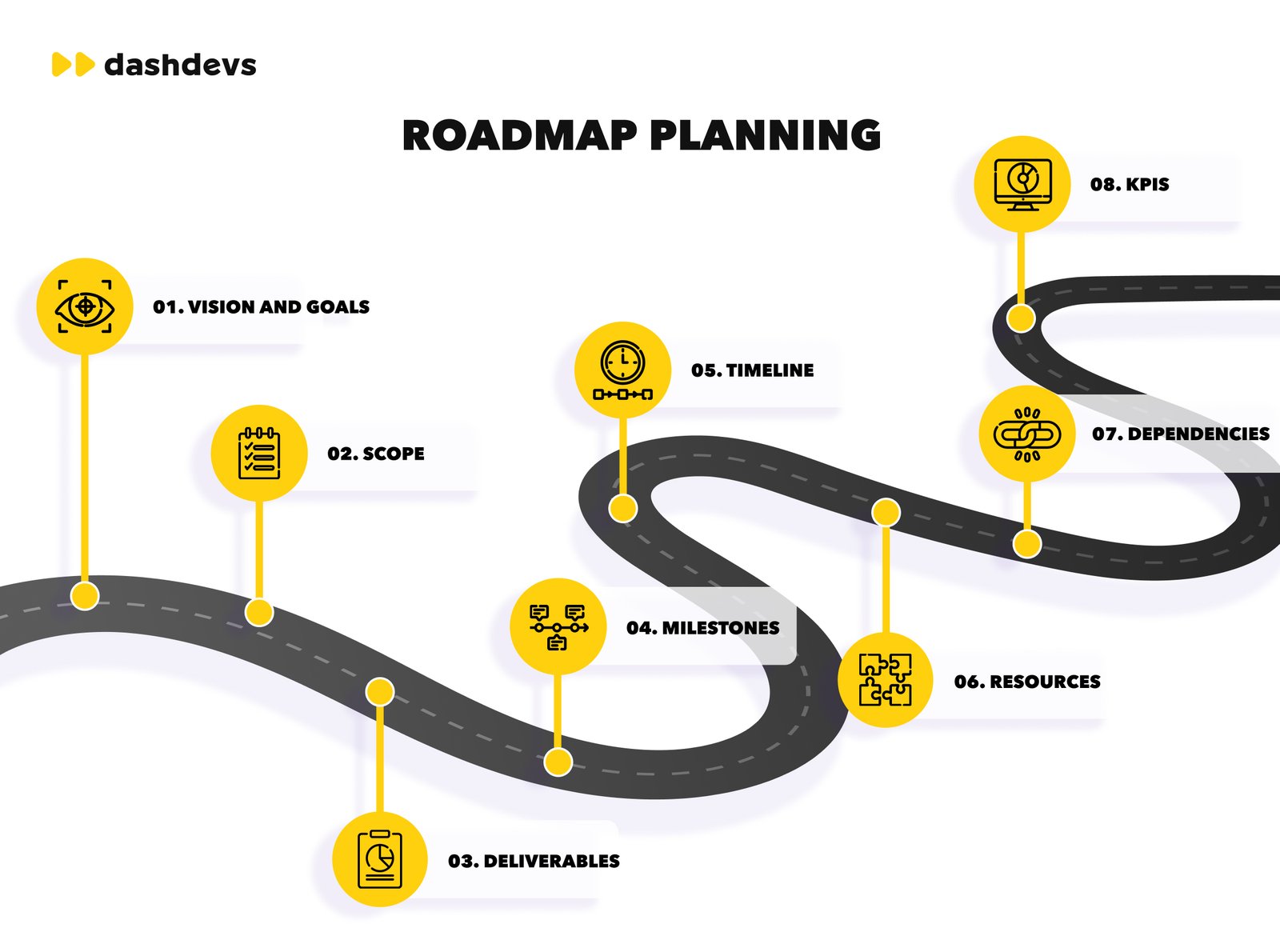
If you want real progress, follow this simple system:
Step 1: Learn the basics
Start with essential vocabulary and simple sentence structures.
Step 2: Train your listening
Listen to native content daily (podcasts, videos, conversations).
Step 3: Start speaking early
Don’t wait—speak from the beginning, even if it is simple.
Step 4: Build daily habits
Practice a little every day instead of studying occasionally.
Step 5: Get feedback
Work with teachers, tutors, or structured courses to correct mistakes.
Step 6: Use the language in real life
The more you use it, the faster you improve.
Top 10 Mistakes Language Learners Should Avoid

Avoid these common traps:
- Only studying grammar rules
- Not speaking until “perfect”
- Translating everything in your head
- Studying irregularly
- Ignoring listening practice
- Fear of making mistakes
- Using too many apps without structure
- Not reviewing old material
- Avoiding real conversations
- Giving up too early
Fixing even a few of these can dramatically improve your results.
The Role of Motivation vs Discipline
Motivation is helpful—but it is not reliable.
Discipline and structure matter more.
Successful learners:
- Study in small daily sessions
- Follow a structured plan
- Track progress over time
- Keep going even when motivation drops
Consistency always beats intensity.
How to Choose the Right Language Course
If you decide to take a course, look for:
- Clear learning structure
- Speaking-focused lessons
- Real-life practice opportunities
- Feedback from teachers
- Flexibility to study at your own pace
A good structured system removes confusion and speeds up learning.
Why Most People Don’t Become Fluent
Most learners stop too early.
Not because they cannot learn—but because:
- They expect fast results
- They don’t have a system
- They don’t practice speaking enough
Fluency is not a talent. It is a process.
Final Thoughts
Learning a language is one of the most rewarding skills you can develop—but only if you use the right approach.
Forget perfection. Focus on communication. Stay consistent.
If you practice regularly, speak early, and follow a structured path, you will improve faster than you think.
Start Your Language Learning Journey
Whether you are learning English, French, Chinese, or any other language, the principles are the same:
👉 Structure + consistency + speaking practice = success
If you want guided learning, explore structured courses designed to help you build real communication skills step by step.
Free Consultation
👉 Get a free online consultation to:
- Identify your language level
- Choose the right course
- Build a personalized learning plan
Lingua Learn Cambodia offers free consultations to help you start in the right direction.
👉 Book your free online consultation: Book now
General Language Learning FAQ
Visit our full FAQ section for answers about:
- Course structure
- Pricing and payment options
- Learning methods
- Online vs offline learning
- Certificates and progress tracking













 Online Corporate Training in Cambodia: A Modern Way for Companies in Phnom Penh,...








Leave a Reply
Want to join the discussion?Feel free to contribute!