We accept:


© Lingua Learn Cambodia. All Rights Reserved 1st January 2026

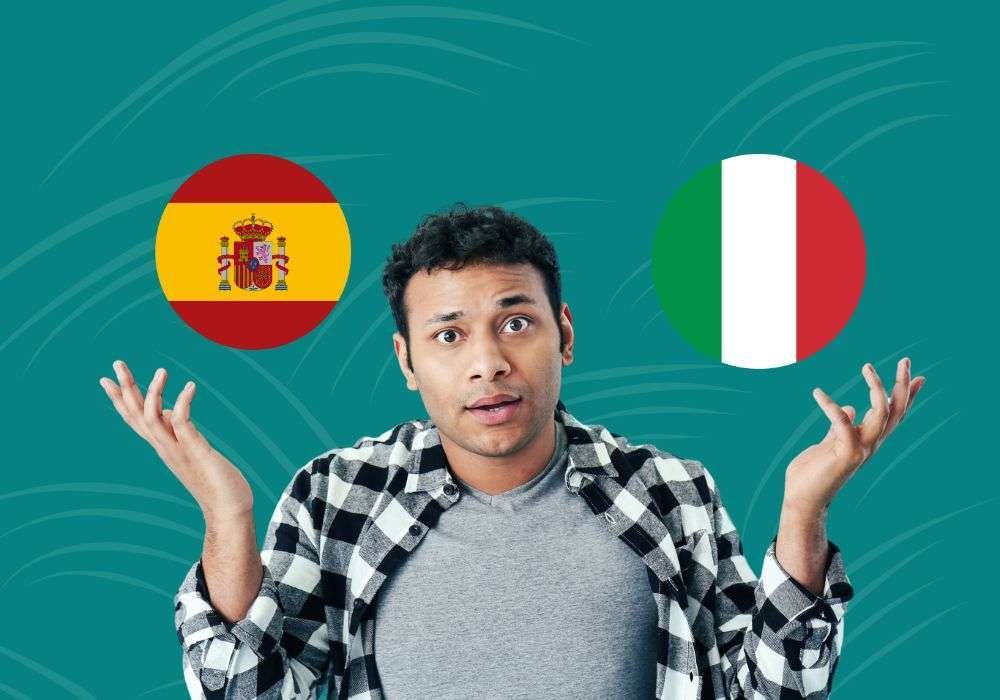
Romance languages like Spanish and Italian evolved from Latin, which means they share similar grammar, vocabulary, and even sounds. Learning one can make it easier to pick up another in the future. For travelers, being able to communicate in the local language can transform your experience, allowing you to connect with locals, navigate confidently, and appreciate cultural nuances.
When deciding whether to learn Spanish or Italian, global reach is one of the most important factors to consider.
If your travel goals extend beyond Europe, Spanish clearly wins in terms of reach. You’ll find it useful across multiple continents, whereas Italian is more specialized for Italy and nearby regions.
Ease of learning is another critical factor for travelers. Luckily, both languages are considered accessible for English speakers.
In general, learners report that Spanish might be slightly easier at the beginner stage, but Italian is equally rewarding once you get used to its flow.

Travel isn’t just about communication—it’s about immersion. When you decide to learn Spanish or Italian, you’re also opening the door to vibrant cultural experiences.
Spanish culture offers flamenco, salsa, and world-famous cuisines such as tapas and paella. Beyond Spain, Latin America brings tango in Argentina, mariachi in Mexico, and Caribbean rhythms.
Italian culture is synonymous with opera, Renaissance art, pasta, and gelato. Whether you’re exploring Rome’s ancient ruins, Venice’s canals, or Florence’s galleries, knowing Italian deepens your appreciation of its heritage.
For European travel specifically, Italian is incredibly useful within Italy and surrounding areas. Meanwhile, Spanish extends across Spain and can also help in Portugal due to similarities with Portuguese. If your European travels will primarily take you to Italy, then Italian might be more practical. But if Spain and Latin America are on your radar, Spanish is the more versatile option.
Beyond tourism, learning a language can open doors to career and study opportunities. Spanish’s global reach makes it valuable in business, international relations, and education. Italian, while less global, is a gateway to working in design, luxury brands, and the culinary world.
If you’ve made up your mind and want to get started, structured courses can guide you toward fluency. For travelers planning to explore Spain, you can check out our Spanish language courses. If Italy is calling your name, dive into our Italian courses to prepare for your journey.
When planning your trip, language is just one piece of the puzzle. For practical travel guides, we recommend resources like Rick Steves Europe for insider tips, and Lonely Planet for comprehensive destination advice.
So, should you learn Spanish or Italian? The answer depends on your goals:
Both languages offer beauty, culture, and travel enrichment. Whichever you choose, you’ll not only communicate better abroad but also connect more deeply with people and places.
Need help choosing the right language course?
👉 Book a free online consultation
© Lingua Learn Cambodia. All Rights Reserved 1st January 2026

 The Ultimate Guide to Learn French in Phnom Penh







Leave a Reply
Want to join the discussion?Feel free to contribute!